Festivals and celebrations worth traveling for: the ones you'll actually remember
The first time I tried to book a room in Venice during Carnival, three months out, the cheapest thing I could find was a converted storage room above a bakery for €340 a night. I took it. And I'd do it again — which tells you something about how far people will go for the right celebration.
The truth is, a festival is the only kind of trip where the destination and the reason for going are the same thing. You don't visit Kyoto and "also" catch a parade. You fly across the world because of the parade.
But here's the problem nobody writes about: most "festivals and celebrations worth traveling for" lists just recycle the same five names. Holi, Rio, Venice, Munich, Thailand lanterns. All genuinely worth it. All also crowded, expensive, and logistically brutal if you plan them badly.
This is the part I want to fix. I'll cover the logistics, the booking windows, the calendar conflicts, and a few celebrations that don't make the usual list but deserve your vacation days just as much.
Key takeaways
- Book 6 to 12 months ahead for major events like Rio Carnival, Oktoberfest, or Venice Carnival. Accommodation prices can double or triple during peak festival dates.
- Festival calendar conflicts are real: Holi and Carnival sometimes fall within weeks of each other, so you may have to choose.
- Under-the-radar celebrations — Gerewol in Niger, Up Helly Aa in Shetland, Pingxi in Taiwan — often deliver more authentic experiences for less money.
- Shoulder-season festivals (Venice's Festa della Sensa in May, smaller local carnivals) give you the atmosphere without the crush.
- Always check whether locals actually participate in a festival or whether it exists almost entirely for tourists.
The festivals that actually earn their plane ticket
Not every celebration translates into a good trip. Some are two-hour street parties you could have watched on YouTube. Others require three flights, a visa, and a tolerance for chaos. The ones worth it share a few traits.

What makes a festival worth the flight
It has to be something you cannot replicate at home. A parade with floats that took a year to build, a ceremony tied to a specific land, a communal meal you can't buy in a restaurant. If the festival is essentially a themed party that happens to be abroad, you're paying a premium for the venue.
Second: the locals show up. A celebration where 95% of the crowd is holding a phone and speaking your language is a performance, not a tradition. I made this mistake early on. I flew somewhere for a festival that turned out to be a tourist product dressed in folk costumes. Beautiful photos. Zero memory.
And third, honestly? The size has to match your tolerance. Rio's Carnival sees millions on the streets. Venice's is intimate and expensive. Both work — for different people.
The classics — and how to do them right
You know these names. What you probably don't know is the booking math.
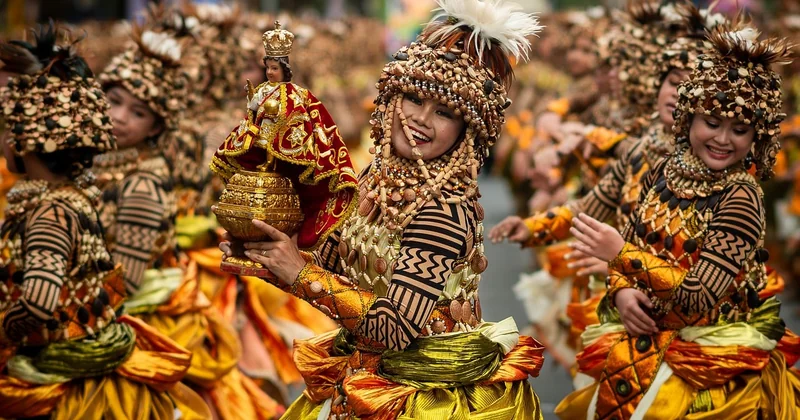
Rio Carnival
The Sambadrome parades are the headline, but the real energy is in the blocos — free street parties that happen across the city for weeks. A friend of mine skipped the Sambadrome entirely and spent her budget on a costume and two weeks of street parties. She still says it was the best decision she made.
Accommodation in Copacabana and Ipanema during Carnival period routinely runs two to three times its normal rate. Book six months out, minimum. If you're flexible, staying in Botafogo or Santa Teresa gets you close to the action for noticeably less.
Venice Carnival
February, cold, foggy, and absurdly photogenic. The masked figures in Piazza San Marco are the image everyone wants. What most visitors miss: the official balls require reservations months ahead, and some cost several hundred euros per person.
Here's the thing — you don't need a ball ticket to have the full experience. The costumed promenades are free. I spent one Carnival just walking the calli at dawn, when the light is soft and the crowds are gone. Better than any paid event.
Oktoberfest
Munich, late September into early October. The tents require reservations for tables, often made a year in advance by returning groups. If you show up without one, you can still get in on weekday afternoons, but weekends are a lottery.
Practical note: the beer is stronger than you think, and the tents get genuinely packed. Pacing yourself isn't a suggestion, it's survival.
Holi
India's festival of colors. The famous celebrations in Mathura and Vrindavan are the most traditional, but the big-city versions in Delhi and Mumbai are easier logistically. Dates shift with the Hindu calendar, so check the actual dates for the year you're traveling — this trips up more people than anything else.
| Festival | Best booking window | Typical price surge | Difficulty |
|---|---|---|---|
| Rio Carnival | 6–9 months ahead | 2–3x accommodation | High |
| Venice Carnival | 4–6 months ahead | 2x accommodation | Medium |
| Oktoberfest | 10–12 months for tents | Moderate | Medium |
| Holi (major cities) | 3–4 months ahead | Low to moderate | Low |
| Dia de los Muertos | 4–5 months ahead | Moderate | Low |
The calendar problem nobody warns you about
Here's where most guides fall apart. They list events by month and never mention that several of them overlap.

Holi follows the Hindu lunar calendar, which means it can land anywhere from late February to late March. Rio Carnival is tied to Easter, so it moves too. Some years they're six weeks apart — easy. Other years they're close enough that doing both means a brutal, expensive back-to-back itinerary.
Oktoberfest and Dia de los Muertos sit comfortably apart, so that pairing works well. Venice Carnival in February and Pingxi Lantern Festival in Taiwan (usually February or March, tied to Lunar New Year) can clash badly.
My advice: pick one anchor festival per trip and build everything around it. Trying to squeeze two major celebrations into one journey means you experience neither properly. I learned this the hard way on a trip where I tried to catch two festivals eight days apart in different hemispheres. I was jet-lagged for both and remember neither clearly.
The festivals most people miss
The usual lists stop at the top five. That's a shame, because some of the most striking celebrations on earth never make them.
Gerewol, Niger
A gathering of Wodaabe men who dance and sing to attract partners, judged on beauty and endurance. It happens after the rainy season, usually September. This is genuinely remote — you'll need a guide and a tolerance for difficult travel. It is not a tourist product.
Up Helly Aa, Shetland
Last Tuesday of January, in Lerwick, Scotland. A torchlit procession ends with Vikings-style costumed squads burning a replica longship. It's smaller, colder, and far less commercialized than the famous carnivals. Locals run it, locals fill it.
Pingxi Lantern Festival, Taiwan
Everyone writes about Yi Peng in Thailand. Pingxi is its quieter cousin — thousands of sky lanterns released from a hillside village near Taipei. Fewer crowds, easier logistics, and the release is genuinely breathtaking without the commercial overlay.
- Gerewol: requires a guide, remote, September window, not for first-time travelers
- Up Helly Aa: January, cold, book Lerwick accommodation a year out
- Pingxi: February or March, day trip from Taipei, no ticket needed for the main release
How to decide which one is yours
Three questions. What's your budget? How much chaos can you handle? And do you want to be in the crowd or watching from the edge?
If you want spectacle with infrastructure — hotels, transport, restaurant reservations — go for the classics. Rio, Munich, Venice. They're popular for a reason.
If you want something you'll struggle to explain to friends afterward, go for the outliers. Gerewol, Up Helly Aa, Pingxi. Smaller, stranger, harder to get to, and far less likely to feel like you bought an experience off a shelf.
And if you want the atmosphere without the crush, look at shoulder-season versions. Venice has smaller festivals through the year. Many countries have regional versions of their big national celebrations that cost a fraction and welcome you more warmly.
Whichever you choose, book early, check the actual dates for the year you're going, and give yourself buffer days on each side. Festivals don't run on your schedule.
The real reason to go
A festival trip is a bet. You're betting that a specific place, on a specific few days, will show you something that a normal visit never could.
Sometimes that bet pays off spectacularly. Sometimes you end up in a storage room above a bakery, paying too much, wondering why you came.
But the celebrations that stay with you aren't the ones with the best photos. They're the ones where you stopped being a tourist for a few hours and just stood in the middle of something old and alive and slightly chaotic, surrounded by people who grew up with it. That's what you're actually flying for.
Which festival is worth that to you? Only you can answer that. But if you start with the booking windows and the calendar conflicts above, at least you won't get there and find out you missed the whole thing.