Fifty-eight dollars. That was my daily average across six weeks in Central America — dorm beds, chicken buses, market lunches, the occasional volcano entry fee, everything. A friend did the same route two months later and spent almost double, mostly because she booked shuttles instead of buses and ate where the menus had English on them. Same countries. Same ruins. Same sunsets. Completely different bill.
That gap is the entire point of this budget travel guide to Central America. The region has a reputation for being cheap, and it mostly deserves it — but "cheap" is not a number, it's a set of decisions you make every morning. Where you sleep, how you move, whether you eat where the locals eat. Get those three right and you can travel here for the price of a mediocre weekend at home.
Key Takeaways
- Nicaragua and Guatemala are the cheapest countries in the region for independent travelers; Costa Rica can run 2-3x the cost of either.
- A comfortable backpacker budget sits between $40 and $55 per day in the cheap countries, and $70 to $100 in Costa Rica and Belize.
- $1,000 for a week in Costa Rica is technically possible but tight — it works only if you skip tours and stay in hostel dorms.
- Bus travel, not flights, is what keeps a Central America budget intact. Cross-border chicken buses cost a fraction of tourist shuttles.
- The dry season (roughly December to April) is peak pricing. The green season is cheaper, wetter, and often stunning.
- Carry small bills. ATMs are unreliable outside cities and every border crossing has its own quiet "fee."
Which Central American country is the cheapest to visit?
Nicaragua, then Guatemala. That's my answer and I'll defend it. Both let you sleep, eat, and move for well under $40 a day without feeling like you're roughing it.
Nicaragua wins on pure numbers. Dorm beds in Granada or León hover around $8 to $12. A plate of gallo pinto with eggs and plantain runs $3. A chicken bus between towns costs a couple of dollars. Granada itself is a colonial city where you can spend a full day wandering for the cost of a coffee.
Guatemala is almost as cheap but has more to see, which matters for the value equation. Antigua, Lake Atitlán, the market at Chichicastenango, Tikal — your money buys more experiences, not just more days.
The cheap-to-expensive ranking, honestly
Here's how the region stacks up in practical daily spend for a mid-range backpacker:
| Country | Typical daily budget | What drives the cost |
|---|---|---|
| Nicaragua | $30-45 | Cheap food, cheap transport, few big-ticket tours |
| Guatemala | $35-50 | More sights, slightly higher Antigua prices |
| Honduras | $35-50 | Bay Islands diving pushes costs up fast |
| El Salvador | $40-55 | Compact, easy, surf towns are pricier |
| Panama | $55-80 | Panama City is genuinely expensive |
| Belize | $60-90 | English-speaking, island prices, reef tours |
| Costa Rica | $70-110 | Everything costs more, and there's little budget tier |
The pattern is simple. The further north and the less tourism infrastructure a country has, the cheaper it gets. Costa Rica and Belize are expensive because they're set up for package tourists and Americans who expect prices like home. That's not a criticism — it just means your dollar doesn't stretch.
One thing that surprised me: El Salvador felt cheaper than I expected. It's small, buses are frequent, and the surf hostels in El Tunco undercut anything comparable in Costa Rica by half. If you want the beach-and-cheap combo, that's your answer.
Is $1,000 enough for a week in Costa Rica?
Yes, but only just, and only if you decide in advance that you're not doing the expensive stuff. $1,000 for seven days is about $140 a day, which sounds generous until you see what Costa Rica charges.
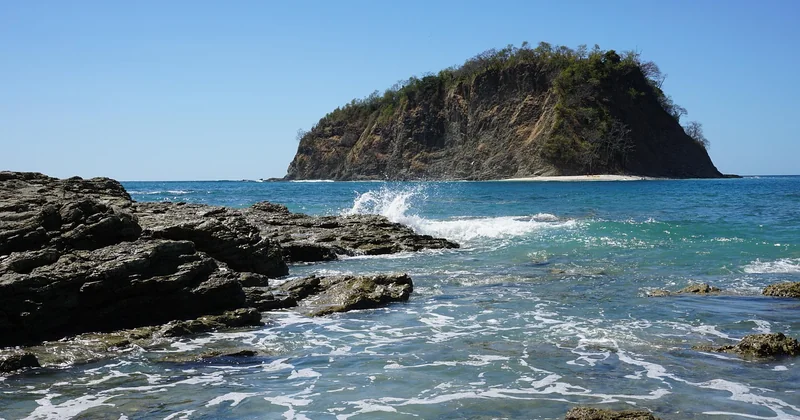
Here's the math I ran for a friend planning exactly this trip. Hostel dorm: $18-25 a night. Three meals at sodas (local lunch counters): $15-20. A shuttle between towns: $40-60. One national park entry: $15-20. A single canopy tour or rafting trip: $70-100. Add it up and a week of "doing things" blows past $1,000 before you've paid for your airport transfer.
How to make $1,000 actually work
- Stay in one or two towns instead of country-hopping — shuttle costs are what kill budgets here.
- Eat at sodas and markets; the $6 casado is the best value meal in the country.
- Pick free beaches over paid reserves. Manuel Antonio costs, but plenty of coastline doesn't.
- Take the public bus when it exists. It's slower and less comfortable and costs a fifth as much.
- Skip the tours you can do yourself. Some waterfalls have a free trail and a paid entrance twenty meters apart.
If your $1,000 includes the flight, forget it. From most of North America a return ticket alone eats $400-600 of that. Land costs are one thing; getting there is another.
My honest take: Costa Rica is a wonderful place that is priced for people who don't look at prices. If you're watching every dollar, spend your week in Nicaragua and your long weekend in Costa Rica. You'll see more of both.
Is $100 USD a lot in Guatemala?
Yes — genuinely. In Guatemala, $100 is roughly two to three full days of comfortable budget travel, or a single very nice day if you decide to splurge.
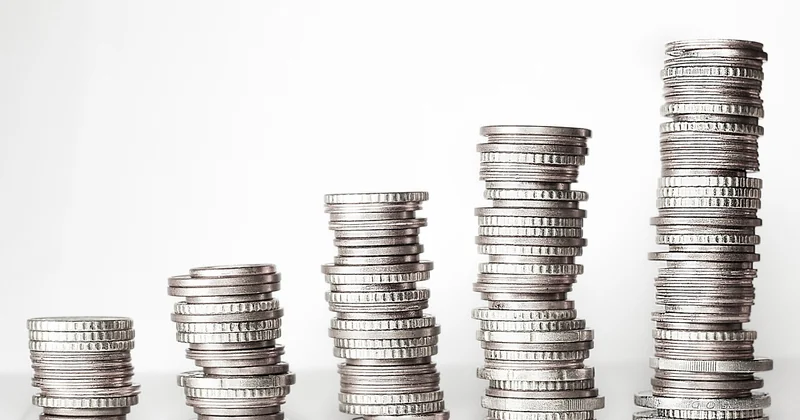
Break it down by what it actually buys you:
- A dorm bed: $8-12. A private room with hot water: $20-30.
- A full local meal with a drink: $4-6.
- A chicken bus ride between nearby towns: $1-3.
- A tourist shuttle from Antigua to Lake Atitlán: $15-20.
- Entry to Tikal: about $20 for foreigners.
- A guided volcano hike up Acatenango: $40-70 depending on the operator.
So $100 covers a dorm, three meals, a shuttle, and a decent activity — with change left for coffee. That's a full day. Or you skip the shuttle, take the bus, and stretch it into three.
The catch is that Guatemala has two price tiers and they barely touch. Tourist restaurants in Antigua charge what you'd pay in a mid-size American city. Two blocks away, the comedor where the bus drivers eat charges a third of that. Both are fine. One is just priced for you.
Carry quetzales, not dollars. You'll get a worse rate almost everywhere if you pay in USD, and smaller vendors may not take it at all. ATMs in Antigua and Guatemala City are reliable; in smaller towns, plan ahead and pull cash before you need it.
What are the best months to go to Central America?
December through April is the dry season, and it's the best weather — which is exactly why it's the most expensive and the most crowded. Everything from hostel beds to tour slots fills up, and prices peak around the holidays.
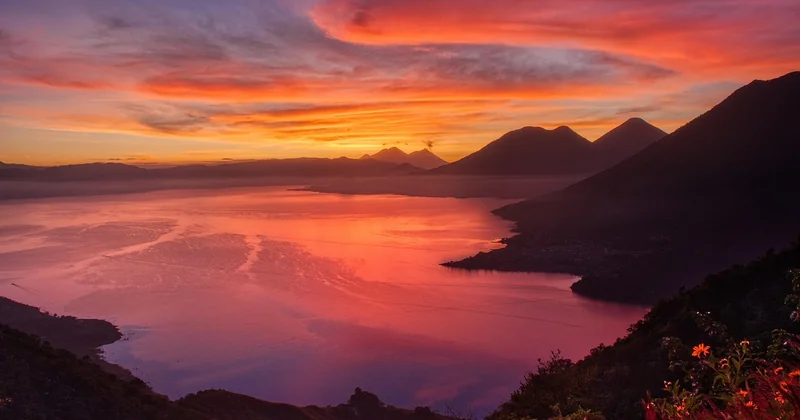
The green season, roughly May through November, is the trade-off most budget travelers should take. You get afternoon rain, greener landscapes, fewer people, and noticeably lower prices. It's not constant downpour — usually a solid morning, a wet afternoon, a clear evening. I traveled through Guatemala and Nicaragua in June and never lost a full day to rain.
The shoulder months are the sweet spot
If you can be flexible, aim for late November or early May. You catch the edge of good weather before peak pricing kicks in, and accommodation is easier to book last-minute. September and October are the wettest and cheapest; if you don't mind the rain, that's when your money goes furthest.
One thing worth knowing: hurricane season runs June through November on the Caribbean side, which affects Belize and the Honduran islands more than the Pacific coast. If you're heading for the reef, plan around it.
How to travel around Central America without going broke
Transport is where budgets quietly die. The difference between a tourist shuttle and a local bus on the same route can be tenfold, and over a few weeks that adds up to hundreds of dollars.
Chicken buses versus shuttles
Chicken buses are retired American school buses, repainted in wild colors, running fixed routes for a couple of dollars. They're slow, they stop constantly, and they're the cheapest way to move. Shuttles are minivans that go door to door, cost $15-60, and save you a lot of time and hassle.
My rule: take the bus when the journey is under three hours and you're not crossing a border late in the day. Take the shuttle when you're crossing a border, arriving after dark, or you've got a flight to catch. That balance kept my transport costs under $200 for six weeks.
Border crossings deserve their own warning. Every land border has informal costs — exit fees, entry fees, someone who "helps" you with paperwork and expects a tip. Budget a few dollars per crossing and keep small bills handy. Don't change money at the border; the rates are terrible.
The errors that cost me real money
I'll be honest about what went wrong. Early on, I booked everything through hostel desks because it was convenient. Every tour, every shuttle, marked up 20-30%. Once I started booking directly with operators, or just showing up, the same trips got cheaper.
Second mistake: eating at the places with English menus for the first two weeks. It felt safer. It cost me maybe $15 a day more than necessary. The moment I started eating where I couldn't read the menu, my food budget halved and the meals got better.
Third, and this one still stings: I withdrew cash from an airport ATM and paid a fee that would have covered two nights in a hostel. Use bank ATMs in cities, withdraw larger amounts less often, and decline the ATM's own conversion rate — always choose to be charged in local currency.
None of these are dramatic. They're just the small leaks that turn a $40-a-day trip into an $80-a-day trip. Plug them and the region stays remarkably affordable.
Central America rewards the traveler who slows down. The people who spend the most are usually the ones moving the fastest — shuttles, tours, restaurant meals, a new town every two days. The ones who spend the least pick a place, stay a while, learn where the cheap food is, and let the days cost what they cost. The map doesn't change. Only the bill does.