Yellowstone. Zion. Banff. You've seen those names in every listicle, on every postcard, in every friend's Instagram story from that summer they "found themselves" in the mountains. Fine parks, all of them. But here's the thing nobody tells you: the most memorable park trips rarely happen at the marquee destinations. They happen when you drive three extra hours past the famous entrance, or cross a border most travelers ignore.
I learned this the hard way. My first serious national park trip was a checklist tour: four parks in ten days, mostly from the car window, mostly surrounded by crowds. I came home exhausted and vaguely disappointed, wondering why the "best" parks felt like an airport terminal with better scenery. The second trip, I picked one park and went deep. Completely different experience. So this isn't a ranking of the most famous parks in North America. It's a guide to the ones actually worth your limited vacation days, with the trade-offs spelled out.
Key Takeaways
- North America means three countries: the US, Canada, and Mexico all run world-class park systems, and most guides only cover one.
- Crowds, not scenery, are the main variable in whether a park trip succeeds or fails.
- Some parks need permits booked months ahead. Others you can walk into on a Tuesday morning and have a trail to yourself.
- Shoulder season (late spring, early fall) beats July in nearly every park on this continent.
- Underrated parks often deliver 80% of the scenery with 20% of the visitors.
What actually makes a national park worth visiting
Scenery is table stakes. Every park on this continent has something beautiful in it, or it wouldn't have been protected. What separates a great trip from a frustrating one comes down to four things you can measure before you book anything.
Crowds, season, and real access
Zion received over 4.5 million visitors in a recent year, and on a July afternoon the main canyon shuttle feels like a subway car at rush hour. Meanwhile, Great Basin in Nevada, roughly the same size in acreage terms and home to a 13,000-foot peak with ancient bristlecone pines, gets a tiny fraction of that traffic. Same country, same park system, completely different experience.
Access matters just as much. Some parks sit two hours from a major airport. Others demand a bush plane, a long gravel-road drive, or a permit lottery you enter in January for an August trip. I made the mistake of assuming "remote" and "hard to reach" were the same thing. They aren't. Great Smoky Mountains is easy to reach and packed. Isle Royale in Lake Michigan is hard to reach and nearly empty, and that isolation is precisely the point.
The permit question
Before you fall in love with a park's photos, check three things: whether you need a timed-entry reservation, whether backcountry camping requires a lottery, and whether the road to the highlight is even open when you're going. Half the frustration I hear from other travelers traces back to skipping this step. They show up, the iconic trailhead is full by 7 a.m., and the trip sours.
The best national parks in the United States
There's no honest way to rank 63 US parks in a single line. What I can do is tell you which ones consistently deliver, and why.
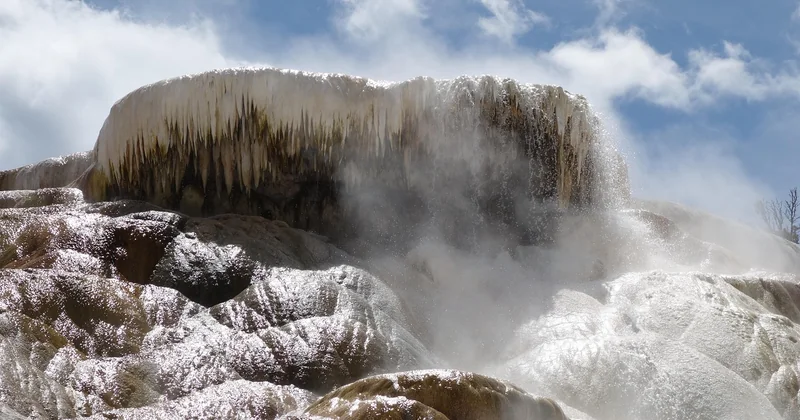
Yellowstone and the classics that earn their fame
Yellowstone holds roughly half the world's active geysers, and standing at Grand Prismatic Spring early in the morning, before the boardwalk fills up, is genuinely as good as everyone says. The catch is timing. Arrive before 8 a.m. or after 6 p.m., or spend your day in traffic jams caused by bison. The wildlife is real and it does not care about your schedule.
Yosemite's granite walls and Zion's narrows deserve their reputations too. But here's my honest take: if you only have one western trip in you, pick one of these and give it four full days rather than sprinting through three.
The underrated ones I'd send a friend to first
North Cascades in Washington is called the "American Alps" by people who've actually been, and it's one of the least-visited parks in the lower 48. No entrance fee lines that I've ever hit. Trails that start at the roadside and climb into glaciers within a few hours. Big Bend in Texas is a different flavor entirely: desert, river canyon, and some of the darkest night skies in the country. I've camped there and seen the Milky Way so clearly it looked fake.
Then there's the accessibility point. Shenandoah in Virginia sits about 75 miles from Washington, D.C., which makes it a realistic weekend trip rather than a two-week expedition. For a lot of people, the park you can actually visit twice a year beats the park you'll see once in a decade.
| Park | Peak-season crowds | Best time to go | Permit needed? |
|---|---|---|---|
| Yellowstone | Very high | Late May, September | No (timed entry varies) |
| Zion | Very high | April, October | Yes for Angels Landing |
| North Cascades | Low | July to September | No for day hikes |
| Big Bend | Low to moderate | November to March | No |
Canada's parks are the ones most guides forget
Search for "best national parks in North America" and you'll get page after page of American parks, with maybe a Banff photo thrown in. That's a real gap, because Parks Canada runs a system that competes with anything south of the border.
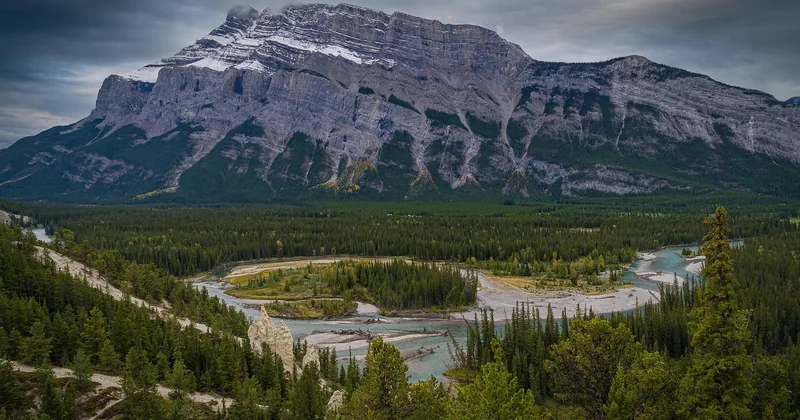
Banff, Jasper, and the Rockies reality check
Banff is Canada's Yellowstone: stunning, iconic, and busy enough that the town itself now limits visitor growth. Lake Louise at sunrise is worth the early alarm, but I'd argue Jasper, a few hours north on the same mountain spine, gives you comparable peaks and glaciers with noticeably thinner crowds. The Icefields Parkway connecting them is, in my view, the single best scenic drive on the continent. I'll defend that claim.
The parks nobody mentions
Gros Morne in Newfoundland looks like a fjord dropped onto the Atlantic coast, with tablelands you can hike across that resemble Mars more than Canada. Nahanni in the Northwest Territories requires a charter flight and serious planning, and it rewards that effort with hot springs, canyons, and near-total solitude. These aren't convenient. They're unforgettable, which is a different thing.
Mexico deserves a place in this conversation
North America has three countries, and Mexico's parks almost never make the lists. That's a mistake. Tulum's coastal ruins sit inside a national park where you can snorkel reef and walk Mayan structures in the same afternoon. Copper Canyon is deeper and larger in places than the Grand Canyon, served by a train route that's a destination in itself.
The practical difference is infrastructure. Mexico's parks vary widely in signage, trail maintenance, and English-language information, so a little research pays off more than it would in Yellowstone. Go with realistic expectations and you'll be rewarded with crowds that feel nothing like the American Southwest in July.
How to choose without overthinking it
Ask yourself three questions, in this order. How many days do I actually have? Do I want a road-trip park or a backpacking park? Am I willing to plan six months out for a permit?
- One weekend and no planning: Shenandoah, Great Smoky Mountains, or a Canadian park near a major city.
- One week, first big trip: pick a single classic, Yellowstone or Banff, and stay put.
- Two weeks, planning allowed: the Utah cluster (Zion, Bryce, Capitol Reef) or Jasper plus the Icefields Parkway.
- Want solitude over scenery bragging rights: North Cascades, Gros Morne, Big Bend.
- Willing to go remote: Nahanni or Isle Royale.
The trap is treating this like a bucket list to clear. I've watched people race through five parks in a week and remember almost nothing specific about any of them. The trips I still think about are the slow ones, a single park, one long trail, one night where the sky did something I couldn't photograph.
So pick fewer parks than you think you should. Go in the shoulder season. Book the permit early or skip the park that needs one. And if a ranger tells you the trail you planned is washed out, take their suggestion instead. That detour has produced my best days in the backcountry, every single time.