How to support local communities while traveling (without the guilt-trip)
You're sitting at a café in Lisbon. The pastéis are excellent. The bill is nine euros. You pay, you leave, and roughly a third of that money stays in the neighborhood. The rest evaporates — into a foreign-owned booking platform, an imported supply chain, an owner who lives three time zones away.
Here's the thing I learned the hard way: supporting local communities while traveling is not about being a saint. It's about understanding where your money actually goes, and making small, deliberate choices that keep more of it in the place you came to see.
I spent years getting this wrong. I booked the polished tours, stayed in the international chains, bought the airport souvenirs. Then I started asking uncomfortable questions, and the answers changed how I travel.
Key Takeaways
- Buy from independent businesses — markets, family farms, artisan shops — instead of international chains wherever you can.
- Choose tours run by local guides; they tend to be more authentic and keep more of your money in the region.
- Ask direct questions about who owns and operates a business before you book. "Local" is a label, not a guarantee.
- Be skeptical of voluntourism, especially anything involving children or orphanages.
- Measurable impact matters more than good intentions. Track where your budget actually lands.
Most travelers I meet want to do right by the places they visit. Very few have a system for it. What follows is the system I've built, including the parts that failed.
Why local spending matters more than you think
Tourism is one of the largest industries on the planet, and the communities that host it usually absorb the costs — crowded streets, rising rents, strained water and waste systems — while seeing only a fraction of the revenue.

The concept that explains this is economic leakage: the share of tourist spending that leaves the destination instead of staying in it. In many resort areas, a large portion of every dollar you spend flows back to foreign operators, imported food suppliers, and international hotel chains.
What leakage actually looks like on the ground
A few years ago, I stopped at an all-inclusive resort on a coastline where dozens of independent restaurants lined the road just outside the gates. Guests rarely left. Every meal, every drink, every excursion was pre-paid to a company headquartered elsewhere. The local economy got the wages — and little else.
On that same trip, I walked twenty minutes down the beach to a family-run grill. The owner fished in the morning and cooked at night. The difference in where the money went was stark.
- The resort's breakfast buffet? Imported and centralized.
- The beach grill? Produce from the market a kilometer away.
- The excursion desk? A foreign booking platform took the margin.
- The boat captain I hired directly? His cousin, his fuel, his village.
The point isn't that resorts are evil. It's that where you spend determines where value stays. Same holiday, radically different footprint.
How to tell if a business is genuinely local
This is the part most guides skip, and it's where I wasted real money early on. "Locally owned" has become a marketing phrase. Plenty of operators dress up as community-friendly while funneling profits elsewhere.
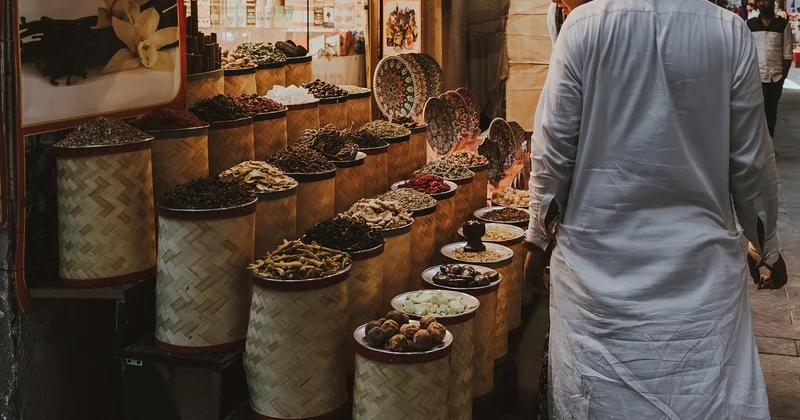
Questions to ask before you book
I now ask these directly, by email or in person, and I've never had anyone refuse to answer:
- Who owns the business, and where do they live?
- Where do you source your food and supplies?
- What share of your staff is from this community?
- Can you tell me where my money goes after I pay you?
If the replies get vague, that's your answer. A genuine local operator usually answers with specific names, places, and amounts.
Red flags I've learned to spot
Chains masquerading as boutiques. Guides who don't know the neighborhood beyond the tour route. "Community projects" with no visible community. And the biggest one: any orphanage or "school visit" sold as an attraction. Children are not tourism products, and voluntourism involving them has caused documented harm in several countries.
Quick check: a truly local operator can name their suppliers, their staff, and their neighbors. If they can't, your money is probably leaving before you do.
Tips for traveling ethically (and sustainably)
Ethical travel and sustainable travel overlap, but they're not identical. Ethical travel is about people. Sustainable travel is about resources. Good practice handles both.
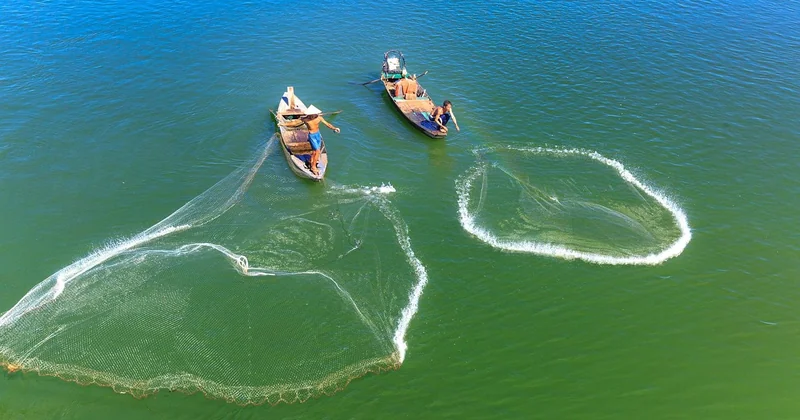
One habit that changed everything for me: I now build a local-first budget before each trip. Instead of booking everything through one platform, I allocate a portion of my spending to street-level businesses and direct providers.
- Shop at producer markets and family farms rather than gift shops near the port.
- Eat where the staff live nearby — the further from the main square, the better the odds.
- Book excursions with independent local guides instead of hotel tour desks.
- Stay in guesthouses and small hotels over international chains when the quality allows.
- Pay in local currency where you can, and tip in cash.
- Travel off-season to reduce pressure on overtaxed destinations.
None of these are dramatic. Together, they shift where the money lands.
How to encourage people to travel locally
If you want others around you to travel closer to home, the strategy that works is celebration, not guilt. Highlight what makes your area distinct — the artists, the chefs, the outdoors communities — and let residents tell their own stories through social media, videos, and events. Trust builds when locals speak in their own voice, and visitors connect more deeply as a result.
How can tourism help local communities?
Because tourism can put money directly into the hands of the people who live in a place — small business owners, guides, farmers, cooks — rather than only into the hands of outside investors. Communities that host tourism bear most of its pressures, so when visitor spending stays local, the benefits start to balance the costs. Collaborations between local businesses, attractions, and events tend to strengthen the whole destination, not just individual operators.
The tensions nobody wants to talk about
I'd be lying if I said this was simple. Done badly, tourism gentrifies the very neighborhoods it claims to celebrate. Rents rise. Locals get priced out. The charming street you photographed becomes a set piece for visitors and nobody else.
My honest position: the fix isn't to stop traveling. It's to travel with restraint and attention. Spend less, stay longer, learn more. Ask who benefits before you book. And accept that some places might genuinely benefit more from your absence than your presence.
| Approach | Where money goes | Community impact |
|---|---|---|
| International chain hotel | Mostly abroad | Low, wages only |
| Local guesthouse | Mostly local | Moderate to high |
| Foreign-run tour | Mostly abroad | Low |
| Independent local guide | Local | High |
| Airport souvenir shop | Imported goods | Minimal |
| Producer market | Fully local | High |
One last thing
The best trip I ever took was three weeks in a mountain town where I did almost nothing. I bought bread from the same bakery every morning. I ate dinner at the same family restaurant four times. By the end, the owner knew my name, and I knew her daughter was studying in the capital.
That's the whole point, really. Not the number of countries on your list, or the perfect photo. Whether the place you visited is better or worse for your having been there. And whether the people who live there would want you back.
They usually know within the first day.